Before his own world was upended, Franklin had doubts about charitable giving.
Is my contribution really reaching the people who need it most, he wondered?
He would soon have his answer.
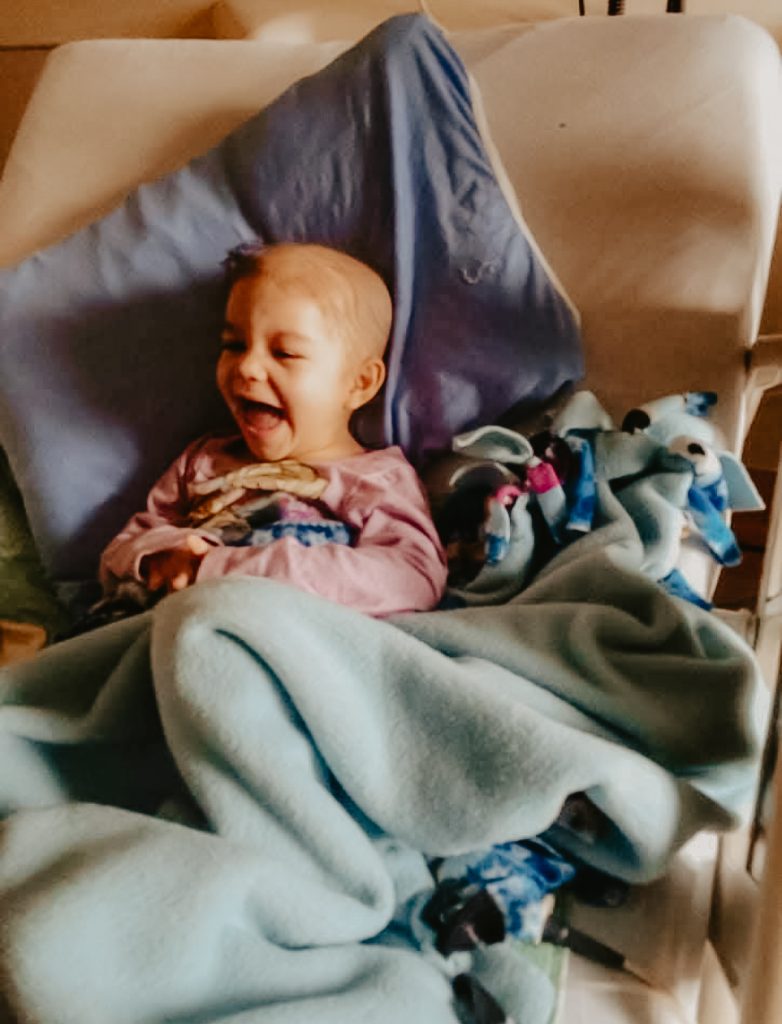
When his two-year-old daughter, Gracie, began to look pale, and developed unexplained bruises, doctors initially suspected something minor and suggested a visit to a nutritionist, as they suspected her issues could be attributed to fussy toddler eating habits. Then one morning, when she woke with a large bruise on her face. Franklin and his wife, Michelle, rushed her to the emergency department with their young son, Frankie.
Within 90 minutes, their concern turned to fear: Gracie was diagnosed with leukemia.
Their world shifted instantly.
The diagnosis came at an already fragile time. Franklin had recently been ill and unable to work for nearly a year. Self-employed and without benefits, the family had been relying on savings and taking on debt to stay afloat. Michelle worked part-time while caring for their two young children. They had hoped to recover financially – until Gracie’s diagnosis required a prolonged hospital stay.
“If we lose our house, so be it.”
Franklin and Michelle have known each other since grade two. The couple is aligned in what is, and isn’t, important in their lives. They agreed that Gracie was their top priority, even when a need like keeping a roof over their heads was at risk. “We were lost,” Franklin recalls. “We decided she needed us. If we lose our house, so be it.”
As Gracie prepared for surgery to receive a port for treatment, a hospital social worker met with the family. After learning about their situation, she connected them with a charity that could help ease the immediate financial strain. “She told us, ‘This charity has never said no to me.’ So we filled out the paperwork,” Franklin said, recalling the intense pressure they were under.
“The next day, we could hardly believe it, we were told our mortgage would be paid for the next two months so we could focus on Gracie.”
That support came at a critical moment. The early stages of treatment when surgery and initial rounds of chemotherapy were the most intense. Being present, without the constant fear of losing their home, made all the difference.
“This charity needs to exist forever.”
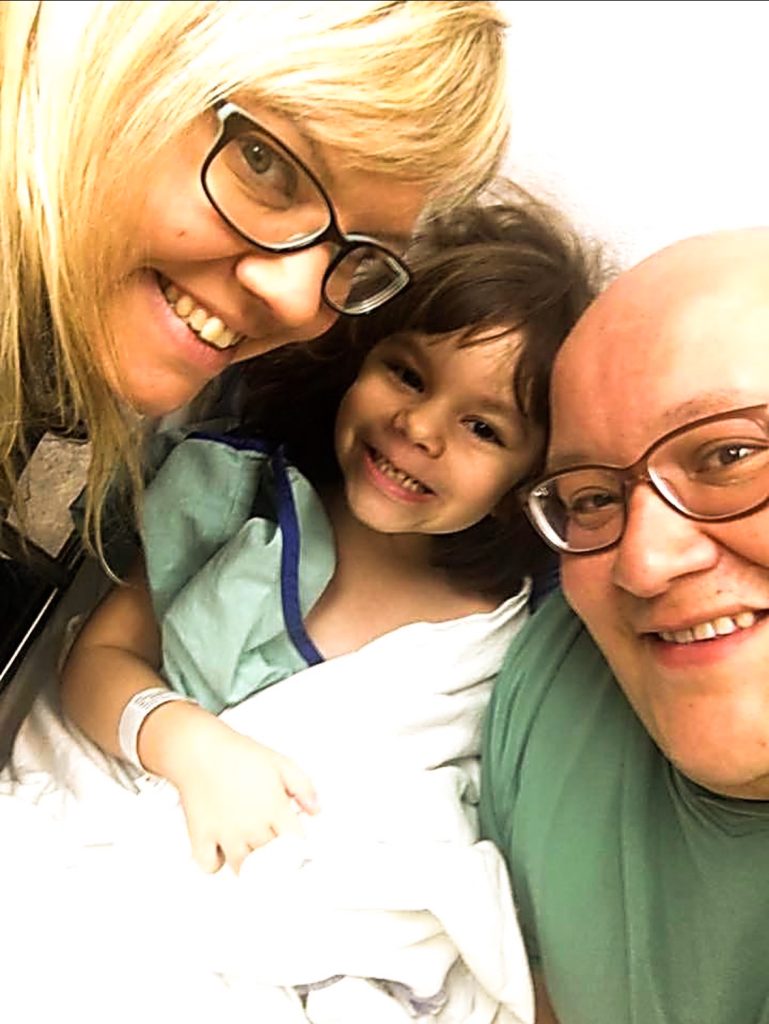
Now, ten years later, Gracie is a healthy teenager. Franklin can reflect on their ordeal and the difficult choices they were forced to make. “Kids sense when their parents are stressed.” He can’t imagine going through that time while either losing their home or not being by Gracie’s side.
Every family facing a child’s cancer diagnosis encounters different challenges. Flexible support can mean the difference between coping and being in the midst of a crisis – whether it’s covering housing costs, transportation, or other urgent needs. Helping Families is designed to be flexible in meeting those needs. For Franklin’s family, it meant covering their mortgage and expensive hospital parking.
“We didn’t need Helping Families after the first two months,” Franklin explained. He was able to return to work, and Michelle had flexible employment throughout the next two and a half years of treatment. “It was reassuring to know the charity was there if we needed them.”
“Before this, I was skeptical of charities,” Franklin said. “With Helping Families Handle Cancer, donors can trust that social workers carefully vet each situation, and the money goes directly to people who truly requires it, covering exactly what each family requires.”
Stories like Gracie’s show what timely support can do: it gives families the stability to focus on what matters most – their child.
Shared with permission from Gracie and her family.
—
Interested in continuing to make a difference for more families like Gracie’s?